Tom Brady's Potential NFL Return: Five Teams to Watch If He Trades Raiders Stake



Latest Stories

Vikings Free Agency: A Strategic Rebuild Rather Than a Retreat
As the Minnesota Vikings navigate the chaotic currents of the 2026 NFL offseason, it becomes clear that their approach to free agency may not be as bleak as many predicted. With key roster changes and a strategic focus on consolidation, the team appears poised to build a more sustainable future despite significant challenges. Head coach Kevin O’Connell and new interim general manager Rob Brzezinski have taken steps to stabilize the franchise amid a cash-strapped circumstance. Many fans anticipated minimal activity, especially with the significant salary cap constraints resulting from prior overspending. Yet, Brzezinski's restructured contracts and judicious cuts, including those of veterans Jonathan Allen and Javon Hargrave, have cleared space for newer, potentially game-changing additions. As noted in various sources, the retention of key players like running back Aaron Jones and the strategic signing of backup cornerbacks and special teams players illustrates a commitment to maintaining a competitive foundation. The most notable acquisition of the offseason has been quarterback Kyler Murray, signed to a bargain one-year deal for $1.3 million. This move arguably represents a high-reward gamble; despite past struggles in Arizona, Murray's mobility and strong arm could infuse new life into an offense that underperformed in recent seasons. He joins a quarterback room that now includes J.J. McCarthy, the 10th overall pick in 2024, and veteran Carson Wentz, creating an intriguing competition for the starting spot. Draft analysts suggest that Murray might be the catalyst needed to elevate playmakers like Justin Jefferson and T.J. Hockenson, allowing the offense to exploit new avenues. While some may criticize the lack of flashy signings, the strategic retention of solid rotational players like Eric Wilson and Andrew DePaola reinforces the team’s focus on depth and stability. Additionally, the signing of punting veteran Johnny Hekker provides reliability in special teams, an often underrated component of overall game management. Collectively, these maneuvers paint a picture of a front office determined to reshape the roster thoughtfully rather than merely chasing big names. Looking forward, the upcoming NFL Draft will be a crucial opportunity for the Vikings to further address their needs, particularly in light of the recent departures of several role players. With nine picks to utilize, including crucial early selections, Minnesota has the means to bolster its defense and offensive line, ensuring that they can protect their rookie or newly-acquired talents effectively. There is even optimism that they could land highly valued prospects like running back Jeremiyah Love, which would add an exciting dynamic to the backfield as the team looks ahead. Despite the detractors labeling this offseason as a retreat, numerous analysts assert that the Vikings are positioning themselves for a rebound rather than a retreat. As they gear up for the 2026 season with a renewed focus on balance and cohesion, there is optimism that sustained success might soon follow, allowing the Vikings to make a significant mark in the competitive NFC North.
Countdown to the NFL Draft: CBS Sports Predicts Makai Lemon's Ideal Landing Spot
As the 2026 NFL Draft approaches, analysts and fans alike are analyzing potential landing spots for top prospects. A name that's generating substantial buzz is Makai Lemon, the standout wide receiver from USC. According to CBS Sports' recent predictions, the New York Jets could be the perfect fit for Lemon as they seek to bolster their receiving corps. In a detailed mock draft by CBS Sports, it was projected that Lemon might be the Jets' No. 16 overall pick. With Garrett Wilson already making waves as the team's primary wide receiver, Lemon could serve as an essential complementary target, helping to create a more balanced offensive attack. The young playmaker not only brings impressive stats from his college career but also the kind of versatility that a team in search of offensive dynamism can capitalize on. In 2025, Lemon recorded 1,156 yards and 11 touchdowns, showcasing his ability to stretch the field and find the end zone. Analysts emphasize that the Jets are in a prime position to select Lemon, as their offensive scheme could maximize his skill set. Head coach Robert Saleh has highlighted the need for a reliable second option alongside Wilson, who was selected with the second overall pick in 2022. Lemon's adeptness at finding soft spots in coverage and his solid hands—boasting only two drops on 108 targets in his last season—make him an attractive target for whichever quarterback ultimately takes the helm in 2026. However, the Jets aren't the only team eyeing Lemon. The Los Angeles Rams are also mentioned as a possible destination. With Hall of Fame quarterback Matthew Stafford expected to lead the offense, the Rams represent an environment ripe for a young receiver's development. CBS Sports' analyst Pete Prisco noted, "They add to their receiver room, giving them a little more juice," suggesting that Lemon could thrive under the coaching of Sean McVay, who has a reputation for developing young talent. An opportunity to learn alongside veteran players like Davante Adams could fast-track Lemon’s transition to the NFL, potentially making him a formidable player in his initial seasons. As the Jets and Rams vie for the top prospects in the draft, the decision on Lemon's future may ultimately hinge on team strategies. Given his impressive performance at the collegiate level and the immediate needs of teams like the Jets, the anticipation surrounding his selection continues to grow. With only a few weeks left until the draft, all eyes will be on where the talented receiver ends up, and whether he can make an immediate impact in the league.

Dallas Cowboys Strengthen Defensive Line with Jonathan Bullard Signing
The Dallas Cowboys have made a strategic move to bolster their defensive line by signing veteran defensive lineman Jonathan Bullard to a one-year contract worth up to $2.5 million, according to NFL Network's Mike Garafolo. This addition comes at a critical time for the Cowboys, who recently traded Osa Odighizuwa to the San Francisco 49ers, leaving a notable gap in their defensive depth. Bullard, previously with the New Orleans Saints, exhibited his ability to contribute effectively in both starting and backup roles, having appeared in 15 games last season and recorded 26 tackles, four tackles for loss, and two passes defensed. Bullard's versatility will be a key asset for the Cowboys, as he can play both inside and outside on the defensive line. This ability to switch positions allows defensive coordinator Christian Parker to more effectively configure his lineup, especially as the team transitions to a 3-4 defensive scheme. Bullard's experience and depth could play a significant role in addressing the deficiencies that plagued the Cowboys' defense during the 2025 season, when they surrendered the most points in the league. Adding Bullard is part of the Cowboys' broader strategy to reinforce their defense ahead of the upcoming NFL Draft. With two first-round picks at their disposal, the Cowboys are expected to prioritize further enhancements to their defense, particularly in light of their recent struggles. This signing ultimately exemplifies the team's recognition of the need for a more robust front, as they aim to return to playoff contention after a difficult previous season. In free agency, the Cowboys have been active, signing several players to shore up their secondary, including Cobie Durant and Jalen Thompson. These moves reflect a unilateral approach to improving their overall defensive performance. The combination of experienced signings and fresh draft talent could provide the necessary boost to transform a unit that was underwhelming in 2025—a year where they also saw key offensive players like George Pickens retained through the franchise tag. As the Cowboys gear up for the 2026 NFL season, the addition of Jonathan Bullard signifies their commitment to strengthening their defensive line. With a focus on creating a balanced team capable of competing within a tough NFC East landscape, every move they make is pivotal. The upcoming draft will be crucial for the Cowboys, as they seek to build a roster that not only supports their defensive objectives but also positions them favorably for a playoff run.

Maxx Crosby Opens Up on Personal Losses Amid Ravens Trade Drama
In a tumultuous offseason for the NFL, the topic of conversation shifted from trades and free agency hysteria to deeply personal struggles for Las Vegas Raiders star Maxx Crosby. The five-time Pro Bowler recently addressed the whirlwind created by a botched trade deal with the Baltimore Ravens, but what truly resonated during his self-titled podcast was his candid discussion about the significant losses he has faced this year—most notably, the death of his uncle and grandfather. Crosby's potential move to Baltimore was marred by controversy when the Ravens canceled the trade after expressing concerns over his health during a physical examination. Speculation ran rampant, with many fans accusing Crosby of dishonesty about his fitness. However, the player disputes these claims. "Why would I lie about that?" he asked, highlighting the unfair nature of the backlash he's received from a portion of the Ravens fan base. The situation has left him understandably frustrated, especially as he copes with more profound personal adversities. In his podcast, Crosby reflected, “You have to realize that life is all about perspective. I’ve been through a lot of sh*t, bro.” His openness about his losses serves as a testament to his resilience. Rather than allowing these challenges to thwart his spirit or define his career, he emphasizes the importance of moving forward. “They don’t have the chance to have another day. I’m not going to hold back,” he noted, drawing a clear line between football-related pressures and the reality of life's harsher truths. The Ravens’ decision to sign another defensive end, Trey Hendrickson, barely a day after Crosby's failed physical has only added fuel to the fire, leaving fans wondering about the treatment he received. “Now the Ravens fans are like, ‘F*** You,’” Crosby recounted, expressing his disappointment in how the situation unfolded. The lack of clarity surrounding his failed examination has left a lingering question mark over his integrity, an issue exacerbated by the relentless nature of social media. Undeterred, Maxx Crosby remains focused on his professional goals. As he eyes his sixth consecutive Pro Bowl selection, his resolve seems stronger than ever. The NFL may be riddled with business-first philosophies, but for Crosby, personal victories hold greater significance. Through adversity, he aims not only to succeed on the field but also to offer a more profound perspective on the challenges we all face in life.

NFL Owners Meeting Set to Address Key Rule Changes and Future Trade Dynamics
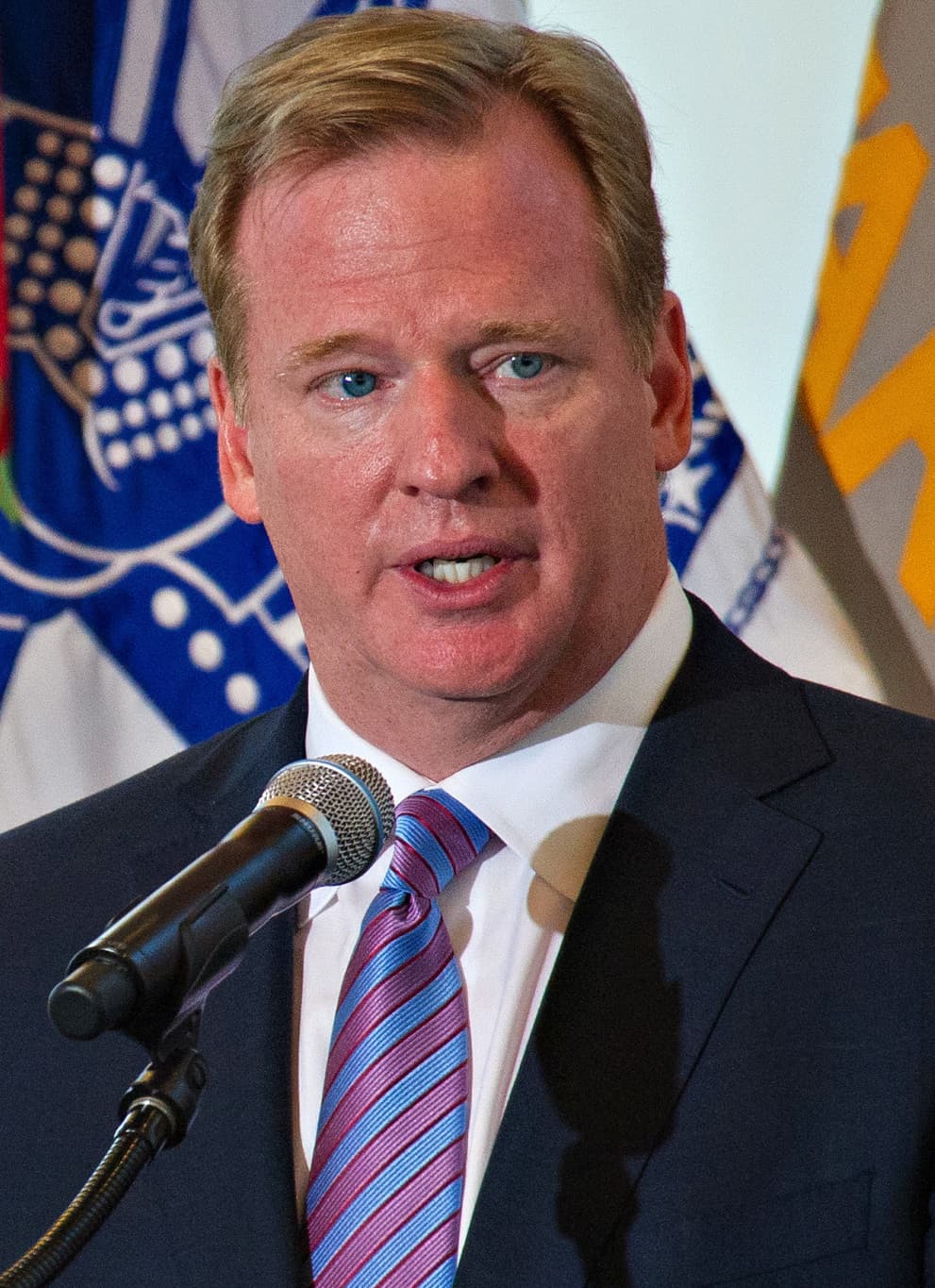
As the NFL's annual owners meeting approaches in Phoenix, Arizona, from March 29-31, anticipation builds around potential rule changes and critical strategic discussions that could reshape the league's landscape for the 2026 season. The gathering will bring together team owners, executives, and coaches who will deliberate on rule proposals, trade modifications, and the looming threat of replacement referees amid an ongoing contract dispute with the NFL Referees Association (NFLRA). One of the pressing issues is how the league plans to mitigate the fallout from any work stoppage involving officials, particularly as the NFLRA's collective bargaining agreement expires on May 31. In response to this, the competition committee has proposed a temporary rule change that would enable the officiating department in New York to correct clear and obvious errors missed by on-field referees. "We have many more tools in the toolbox," said Rich McKay, competition committee chairman, highlighting the need to preserve game integrity even in challenging situations. In addition to officiating concerns, discussions surrounding the popular "tush push" play have gained momentum. Despite earlier discussions about banning the tactic, it appears unlikely that any restrictions will be implemented this year, with usage and success rates declining naturally. McKay noted that "there was no proposal on the table to put anything in this year to deal with that," allowing fans to continue enjoying this controversial yet effective strategy. Another significant proposal on the table aims to revise the rule governing onside kicks, which only permits teams to attempt them during the fourth quarter when trailing. The competition committee is proposing to allow onside kicks at any time during the game, a move that could inject more excitement into special teams play. Increased flexibility in special teams could lead to game-altering moments, changing how teams approach late-game scenarios. The Cleveland Browns also sparked intrigue with their suggestion to extend the timeframe for trading draft picks from three to five years into the future. This change could have lasting repercussions on how teams strategize their rosters, as evidenced by the NFL's recent uptick in trades—18 transactions occurring just a week into the current league year. Coupled with a proposal from the Pittsburgh Steelers that would allow teams to interact with prospective free agents earlier in the negotiation process, these rule changes could further intensify offseason transactions and bolster team competitiveness. As the meetings progress, all eyes will be on NFL Commissioner Roger Goodell, who will address the media on Tuesday. Expect a comprehensive overview of the league's priorities, with questions likely spanning officiating standards, international game plans, and ongoing diversity initiatives. With significant changes on the horizon, this year's owners meeting could mark a pivotal moment for the NFL.

Internet Erupts Over Travis Kelce's Emotional Reaction to Taylor Swift's Speech Amid Wedding Buzz
The spotlight shone brightly on Travis Kelce during the recent iHeartRadio Music Awards, but not just for his status as a star tight end for the Kansas City Chiefs. Instead, it was his profoundly emotional response to Taylor Swift's heartfelt words that captured the attention of fans and social media alike. As Swift accepted the Album of the Year award for her acclaimed album "The Life of a Showgirl," she expressed her gratitude for her fiancé, prompting Kelce to mirror her affection with an almost tearful expression that quickly became a viral sensation. During her acceptance speech, Swift said, “This album probably also feels very happy and confident and free because that’s the way that I get to feel every single day of my life because of my fiancé, who's here tonight.” The camera honed in on Kelce as he mouthed “I love you,” a moment that resonated deeply with viewers, triggering a wave of shared excitement and humor on social media. One post humorously suggested, "Someone needs to be on CPR alert when Taylor walks down the aisle; I don’t know if this man will survive," encapsulating the audience's overwhelming sentiment about the couple's obvious affection. This emotional moment comes amid increasing speculation about Kelce and Swift's impending wedding. The duo got engaged in August 2025, and whispers of a summer 2026 wedding have surfaced, with reports indicating that Watch Hill, Rhode Island, may be a likely venue. Alongside the wedding buzz, plans for a private honeymoon have also been revealed, detailing potential stops in scenic locales like the Bahamas, Paris, and even as far as Fiji and Hawaii. These forthcoming milestones amplify the significance of Kelce’s reaction, as fans are not merely witnessing an emotional moment; they are also part of a larger narrative unfolding in real-time. Amid all the excitement, some discussions have arisen about the attention Swift garners at NFL games. Critics have occasionally framed her presence as a distraction, but Joe Rogan defended the significance of her participation, highlighting that it helps draw a younger audience to the sport. The attentiveness and intimacy of Swift and Kelce’s relationship stand in stark contrast to typical public figures, inviting deep conversations about celebrity culture in today's hyper-connected world. Furthermore, their relationship has not been without controversy. A recent odd incident involving Brazilian influencer Liziane Gutierrez raised eyebrows when she attempted to engage Kelce and Swift post-event, leading to questions about fan boundaries and celebrity privacy. While Gutierrez insisted her actions were harmless and professionally motivated, it showcased the odd dynamics that come with such high-profile relationships in the public eye. As fans continue to engage with Kelce and Swift's journey, the emotional weight of Kelce's reaction stays with many, symbolizing love and vulnerability amidst the chaos of fame. Whether through jokes about needing CPR or genuine admiration for their bond, it is clear that the public's affection for this couple is a force that transcends their individual stardoms, creating a new kind of celebrity couple narrative infused with authentic emotion.